
The bathroom is a space with its own specifics, requiring careful attention to detail during renovation. Let’s delve into the nuances.
Constant humidity, temperature fluctuations, special conditions for electrical work, and plumbing—finishing the bathroom requires special attention to detail.
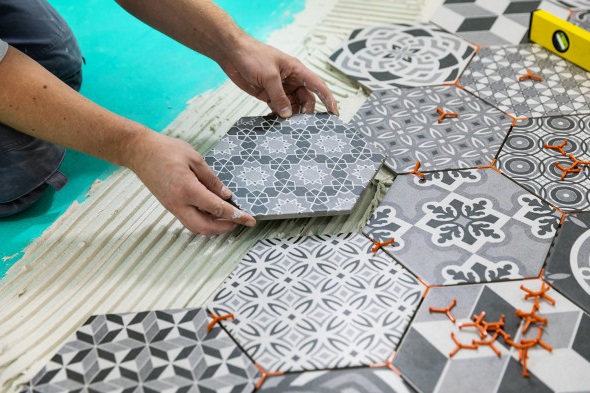


Types of Renovation
Types of Renovation:
- Cosmetic Renovation: This is the simplest, most economical, and quickest option, involving the refreshment of surfaces. This type of renovation includes floor replacement, ceiling and wall painting, installation of new doors, and sometimes replacement of plumbing. It is done to refresh the appearance of the room.
- Capital Renovation: Involves a complete cycle of work, such as leveling surfaces, new floor screed, full room finishing, and replacement of utilities. This type of renovation is more comprehensive and extensive.
- Emergency Renovation: Done due to sudden leaks, emergencies, or critical wear and tear of materials requiring urgent replacement. These are repairs carried out in emergency situations.
Where to start the renovation
Before starting the renovation, it is necessary to outline a detailed plan for the upcoming changes, calculate the material requirements, and estimate their cost. Planning should be based on the chosen design. When deciding on the interior, consider the room dimensions and plan in advance where outlets, ventilation, and appliances will be located. It is important to ensure access to pipes and avoid creating hard-to-reach corners to prevent dirt accumulation in the bathroom. If you cannot hire a designer to create a project, you can use specialized services.
Choosing a project becomes easier when the bathroom is designed in a unified style. The most common design directions for bathrooms today are as follows:
- Minimalism: Decor and embellishments are almost not used—only the essentials. It’s better not to stick to a single color, as it may look dull and monotonous. You can use bright plumbing or furniture as accents. This style is ideal for small bathrooms.
- Modern: A modern style will look interesting in the bathroom. Smooth lines and the use of finishing materials such as wood, glass, and metal will give lightness and airiness to the interior.
- Loft Interior: This style involves using textures stylized as untreated wood, concrete, and brick. Emphasis is placed on rough textures, and often, utilities are left visible. The design can be complemented with unusual “industrial” style accessories.
- Classic: In this option, large and expensive-looking elements are acceptable. Natural materials dominate the interior. The most popular classic colors are peach, sandy, golden, and all wood shades.
- Provence Style: Characterized by vintage elements, actively using natural materials. This style implies open space and good lighting. Typical features include warm pastel tones, floral motifs, sewing, plastered walls, and wooden ceiling beams.
By Yourself or with a Team
The cost of services provided by professional repairmen depends on the type of renovation. You can undertake the renovation yourself, but in this case, it is still recommended to entrust some tasks to professionals.
If you don’t have successful experience in renovation, it’s better not to start it yourself— at least some of the tasks should be delegated to professionals. Regardless of whether the renovation is done by an individual or a company, a contract must be concluded between the parties, specifying the list of performed works, their deadlines, and cost, as well as the responsibilities of each party.
It’s possible to level the walls, lay tiles, and install plumbing if you have a certain level of experience. However, tasks like replacing utilities, laying new wiring, and installing outlets are better left to professionals.
Characteristic of Materials
It is advisable to choose furniture and materials that are easy to assemble and install so that in case of damage to one area, they can be replaced without having to renovate the entire space. For bathroom renovation, only moisture-resistant materials are used, and ideally, those with antiseptic properties as well. This helps prevent the growth of mold and mildew in high humidity conditions.
Budget Forecasting
When calculating the budget for bathroom renovation, all types of work and material expenses are taken into account based on the room’s square footage. The estimate includes new appliances, decorative elements, furniture, as well as delivery and assembly, and the removal of construction waste.
It makes sense to add approximately 25% to the final amount for contingency—some consumables or tools may get damaged, prices may rise, or additional services may be required.
If the resulting sum exceeds the budget, you can save on some materials by opting for cheaper alternatives, foregoing delivery from stores, and self-assembly.
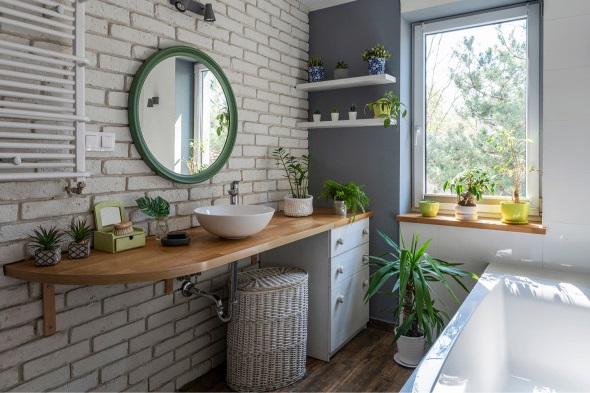
Sequence of Work
- Material Procurement: After selecting the design, having a sketch, and understanding the scale of the upcoming work, materials and tools are purchased. Based on the previously compiled list, materials are acquired with a slight surplus.
- Demolition: Old plumbing is removed, and finishes are dismantled. The bathtub may need to be removed, even if it’s not being replaced, to avoid hindering the renovation.
- Surface Preparation: After clearing the room, all surfaces are examined to determine the condition of the walls, ceiling, and floor. It is determined whether they need complete replacement or partial restoration (sealing joints, restoring peeled areas). After these tasks, the ceiling is waterproofed.
- Pipe and Electrical Installation: The next step is laying pipes and electrical wiring, which may require chiseling. Then, the walls are prepared for finishing—plastered and puttied.
- Floor Preparation with Floor Screed: At this stage, it is crucial to treat all surfaces and apply waterproofing.
- Decorative Finishing: Now, you can start transforming the bathroom. Typically, it begins with tiling or applying other wall coverings.
- Ceiling and Floor: The next step is installing a suspended ceiling, followed by laying the floor covering.
- Connection and Equipment Installation: When all surfaces are ready, sockets and switches, plumbing, and necessary equipment are installed. It’s important to check all joints and connections when connecting appliances and installing baths and shower cabins to ensure no leaks.
- Final Stage: The room is ready; all that’s left is to arrange furniture and complement it with accessories: mirrors, decorations, hooks.
Of course, not everything can be reduced to a strict order and sequence. A lot depends on the project and the technologies used. The most important thing is to thoroughly plan the final version, carefully select materials. This will save time and money and avoid major mistakes.